BIOGRAPHY
Fernando Vázquez Arias, son of José Vázquez Marín and Esther Arias Pérez, was born in Rendos, a small village in the municipality of Santiso (A Coruña), on October 12, 1957.
 In 1964, his family moved to Melide, where, at the age of 12, he began receiving his first music lessons from his father, also a musician, and started studying the trumpet. He participated in the orchestra La Nueva Estrella, directed by his father, and later took on the responsibility of arranging and musically directing the ensemble.
His father, José Vázquez Marín, played a decisive role in his education, being an enterprising man with an advanced vision in the musical field, which had a significant influence on Fernando’s career. This influence was key to the future development of important musical projects.
Throughout his childhood and adolescence, he grew up in a musical environment that shaped his desire to fully dedicate himself to music.


Early studies
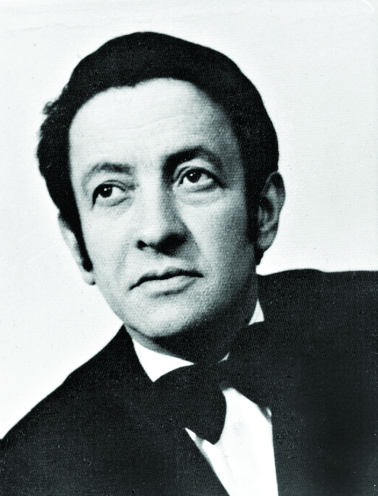
At the age of 14, he began studying piano privately with Lolita Morate, the only teacher of this instrument in the Melidearea. She encouraged him to pursue the instrument at an official level, and a year later he successfully passed the solfège courses and the first-year piano exams as an independent student.
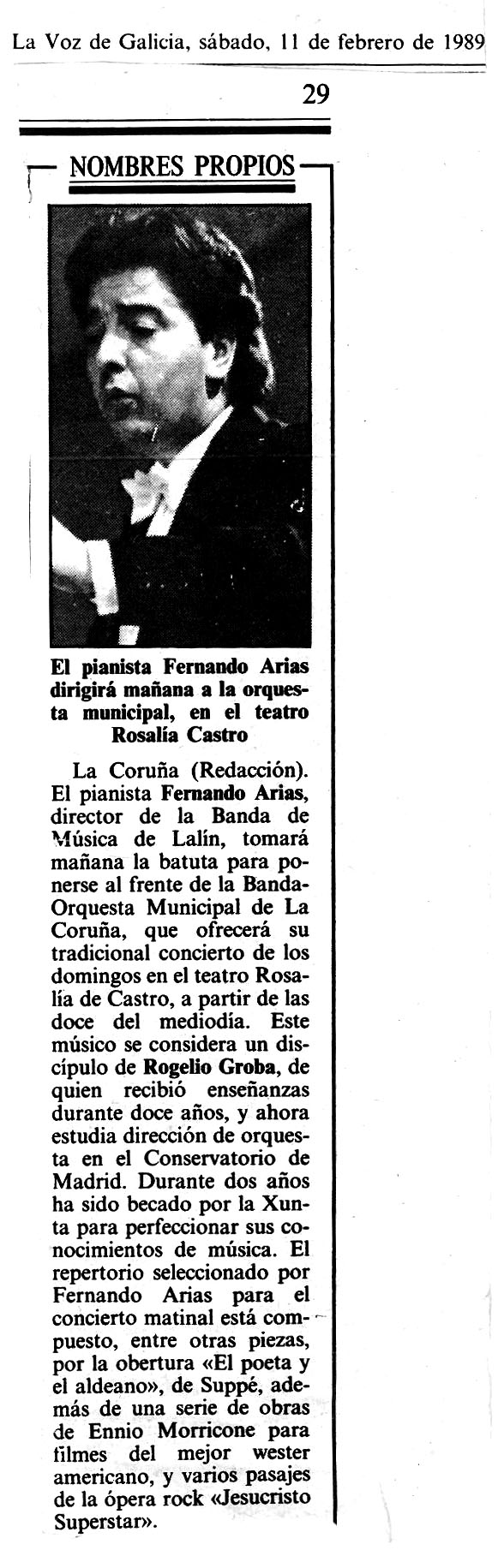
At the age of 16, under his father’s initiative, he officially enrolled in the Conservatory of A Coruña, specializing in trumpet, piano, and composition. His teachers in various subjects were José Ferrer, Mercedes Goicoa, and Rogelio Groba. During these years, he balanced his academic studies with music, traveling to the conservatory twice a week alongside his father.

José Ferrer, Mercedes Goicoa and Rogelio Groba.


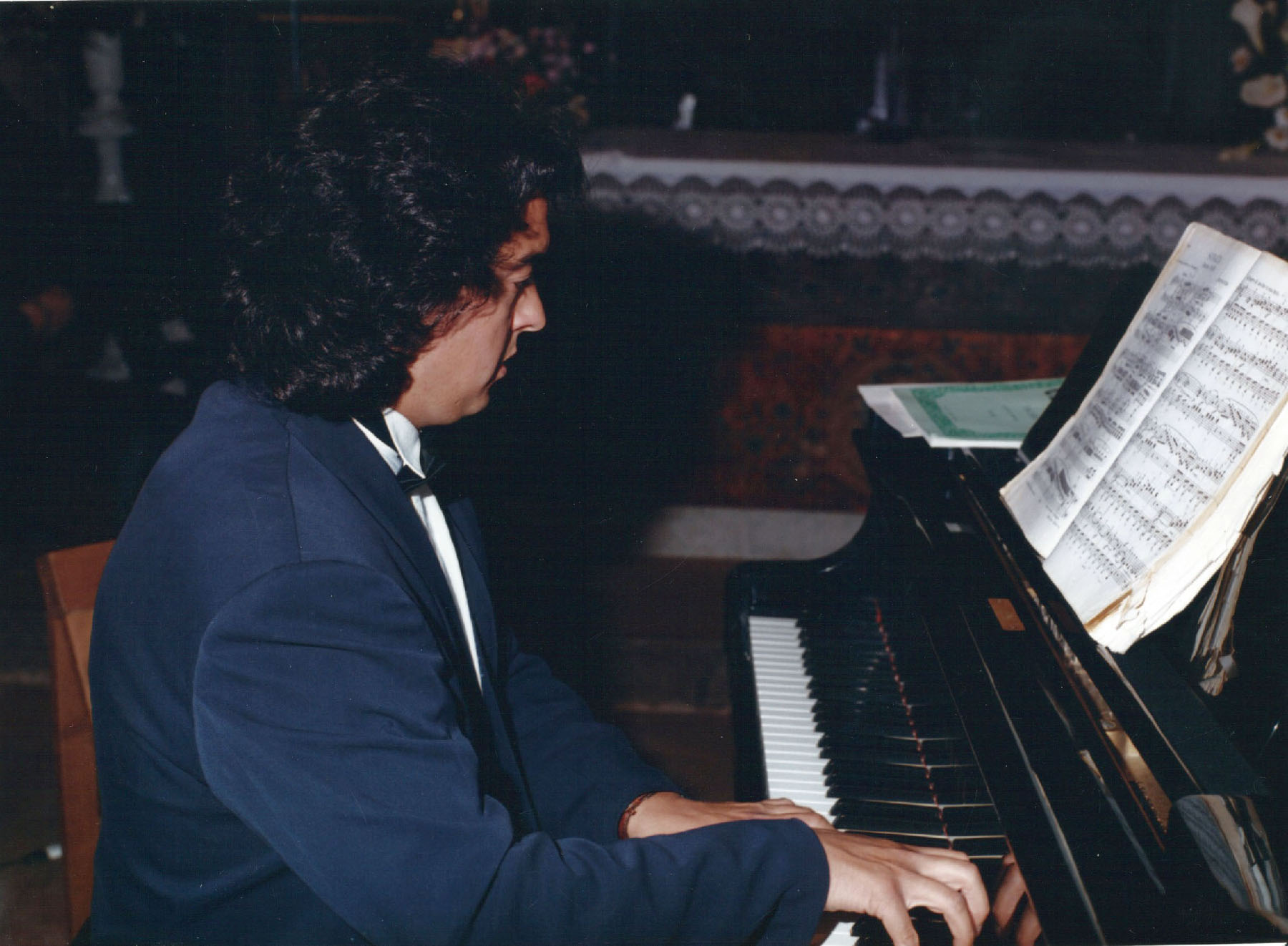

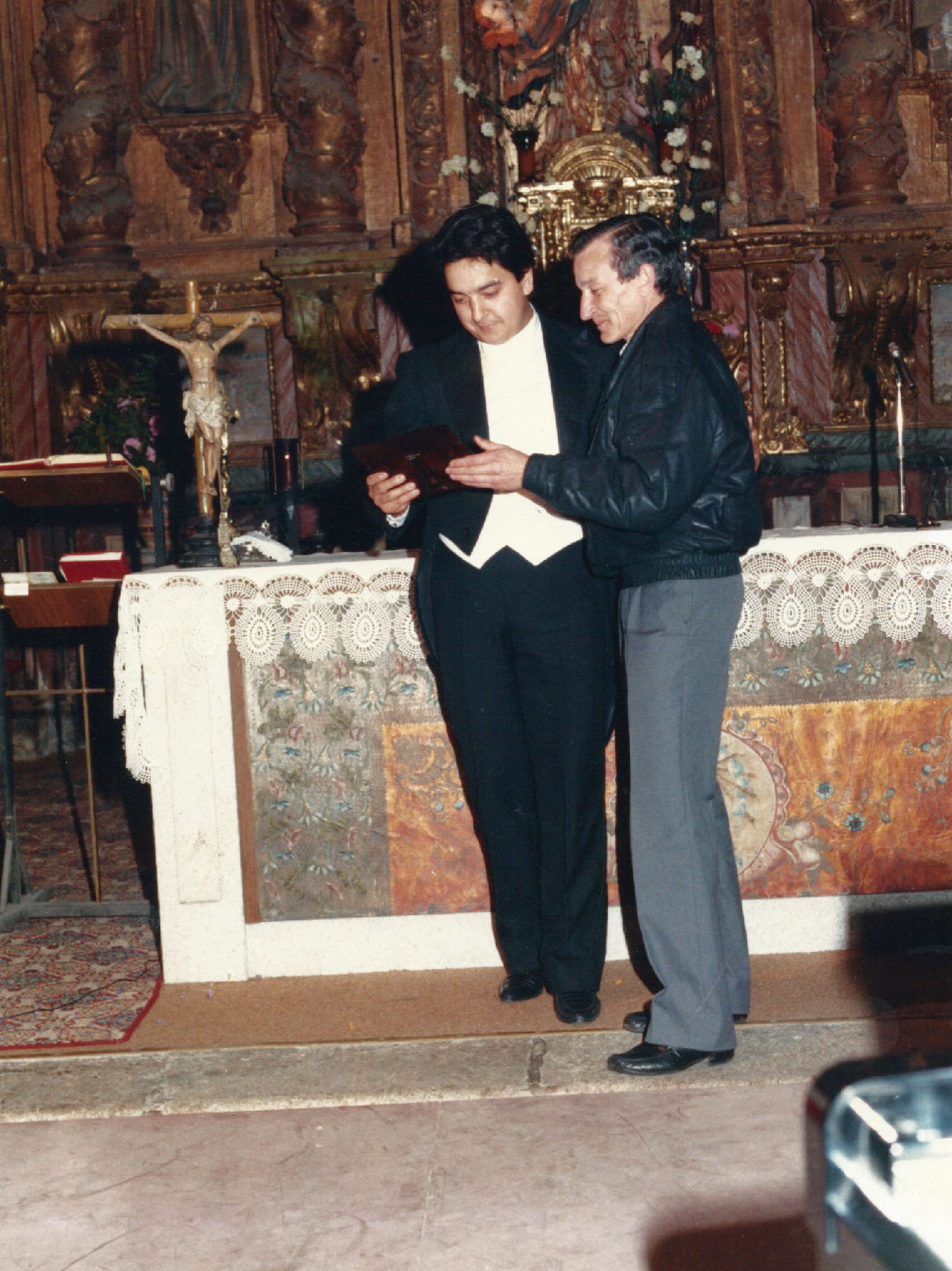


Training and first steps at the piano.
Over time, Fernando obtained several advanced degrees, including Professor of Harmony and Composition, Professor of Solfège, Professor of Piano, and Trumpet. He stood out by winning the End of Degree Honor Award in piano, awarded for the first time by a Galician conservatory. During this stage, he wrote his first works for piano, songs for vocal soloists, and chamber and choral compositions.
First compositions
Most of the works written during this period were the result of assignments for composition classes with Rogelio Groba, including choral works, fugues, trios, and pieces for mixed choir, as well as for various instruments and chamber groups. Among these, the piano works Nocturno, Campás Melidenses, Danza do Liño, Muiñeira Sarcástica, and Terra de Melidestand out, which he performed himself at morning concerts organized by the conservatory at the Rosalía de Castro Theater.
Etapa de formación en Madrid
Study period in Madrid
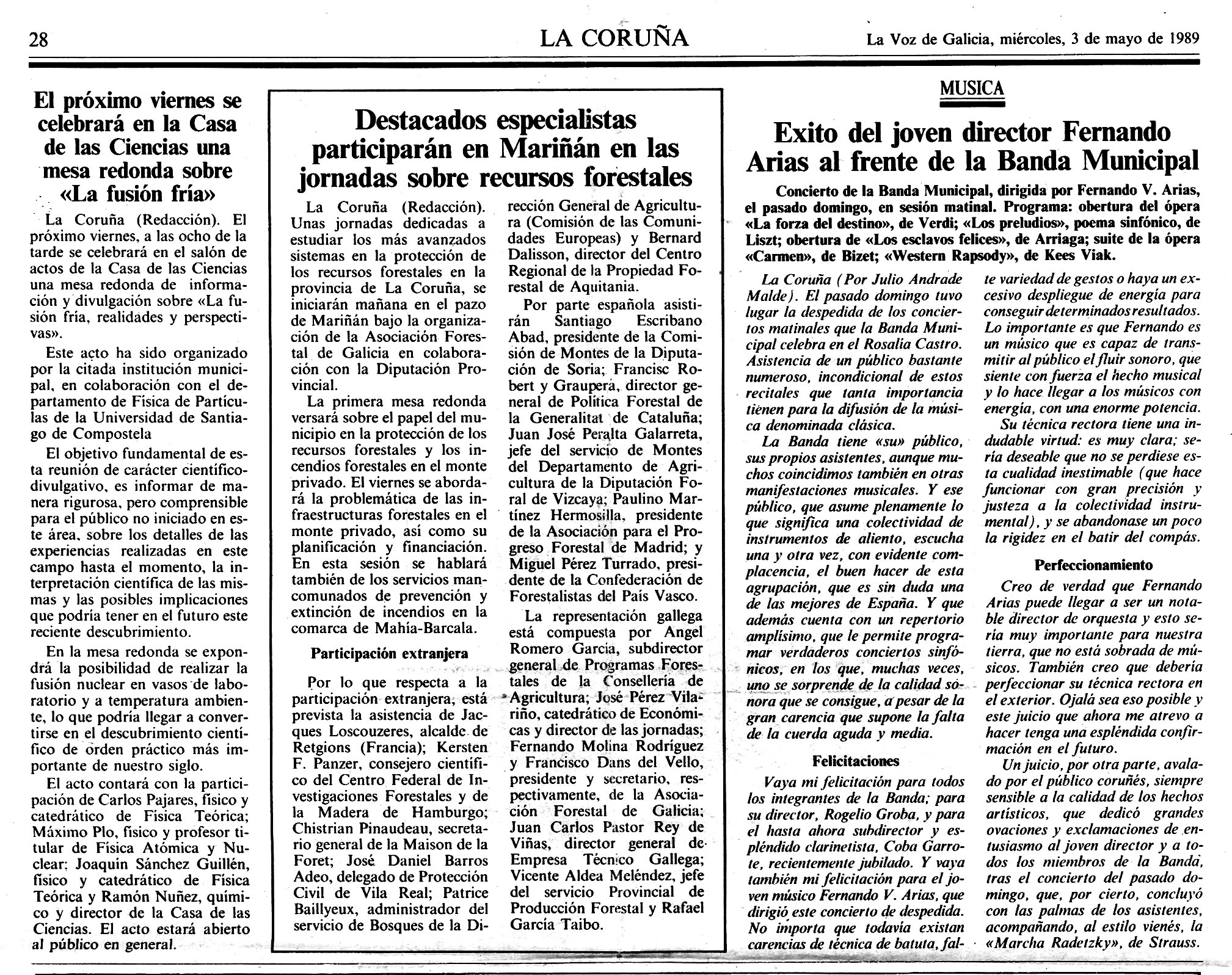
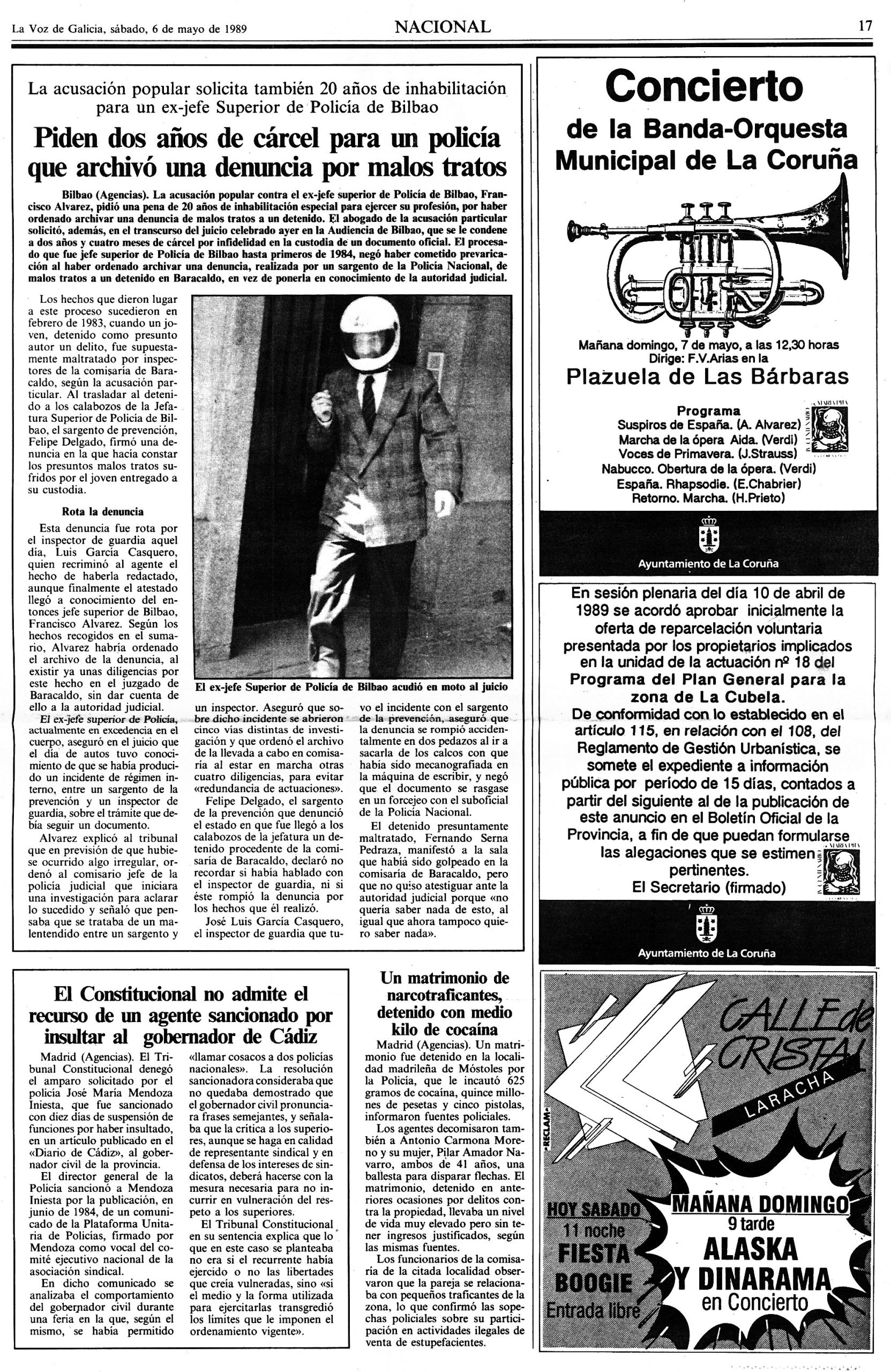
Between 1986 and 1991, he attended, with a scholarship from the Xunta de Galicia, the Royal Conservatory of Madrid to pursue advanced studies in Orchestra and Choir Conducting, under the guidance of maestros Marcos Vega, Pablo Sánchez, and Francisco García Nieto, achieving top grades. For five years, he made weekly trips to attend classes while managing his professional commitments in Galicia. He became the first Galician musician to obtain a degree in this specialty.
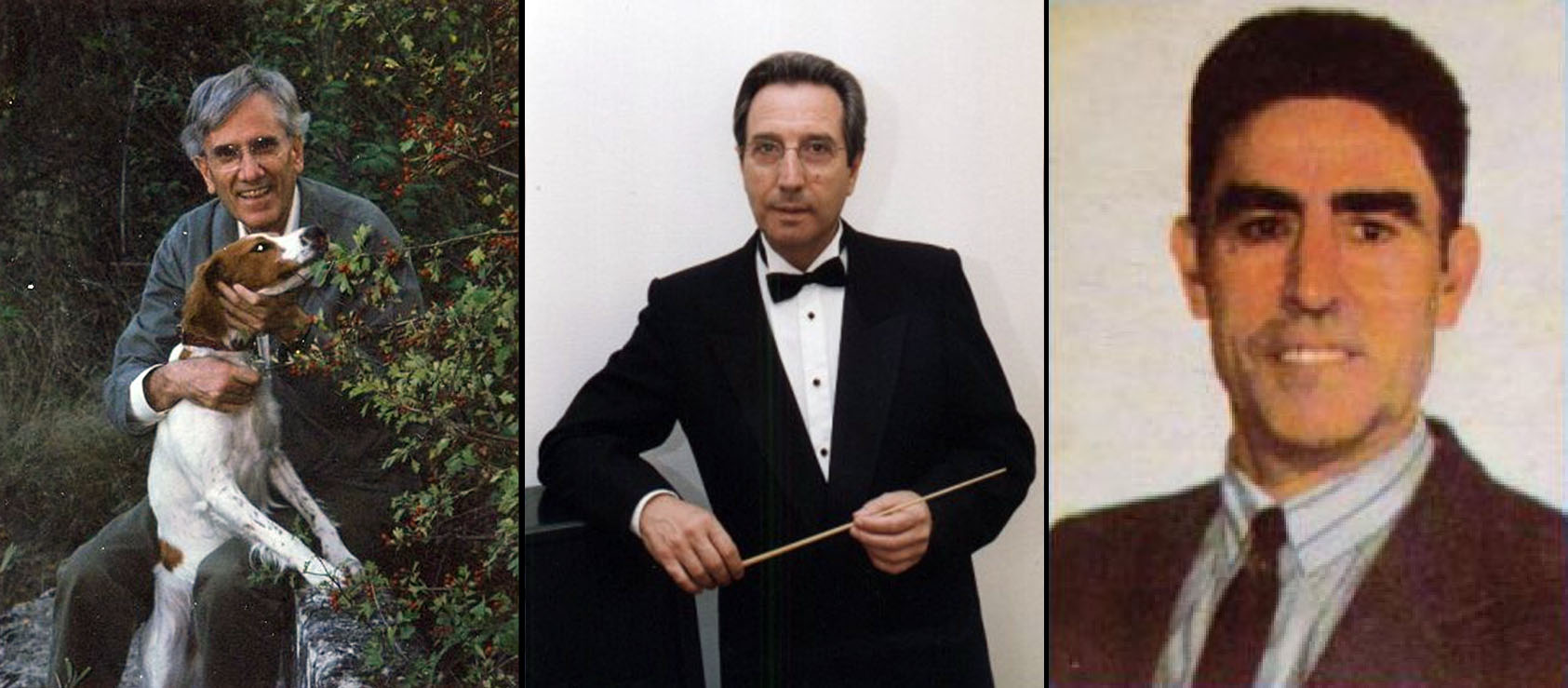
Marcos Vega, Pablo Sánchez and Francisco García Nieto.
International courses
He completed this phase of his studies by attending international conducting courses as an active student under the Russian maestro Guennadi Rozhdéstvenski in Siena (1989) and the German Helmuth Rilling in Santiago (1992).

Guennadi Rozhdéstvenski y Helmuth Rilling.
Further studies and early professional career
Alongside his musical studies, he developed his professional career, first as a trumpet player, then as a pianist, and later as a conductor.
As a trumpet player

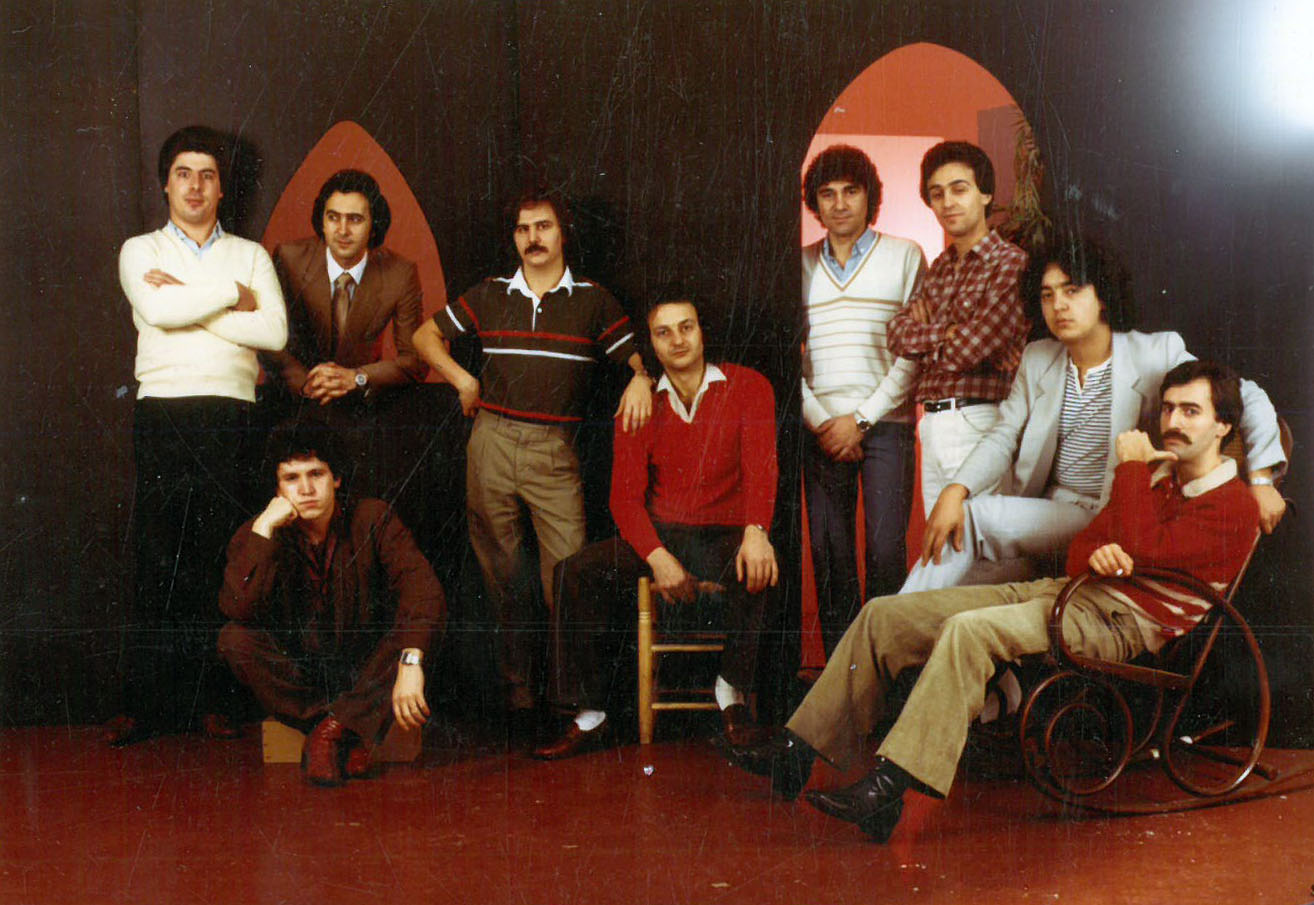
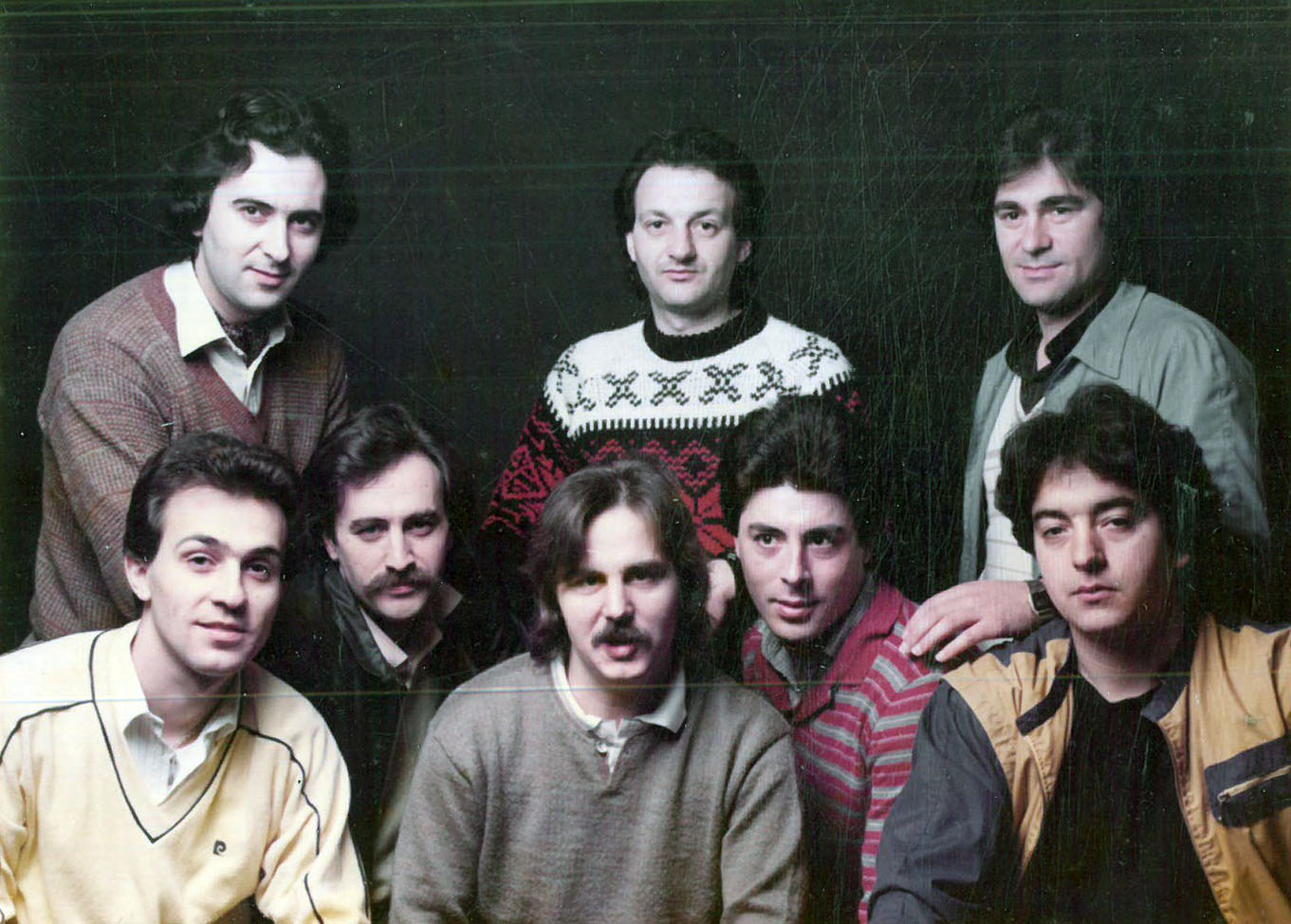
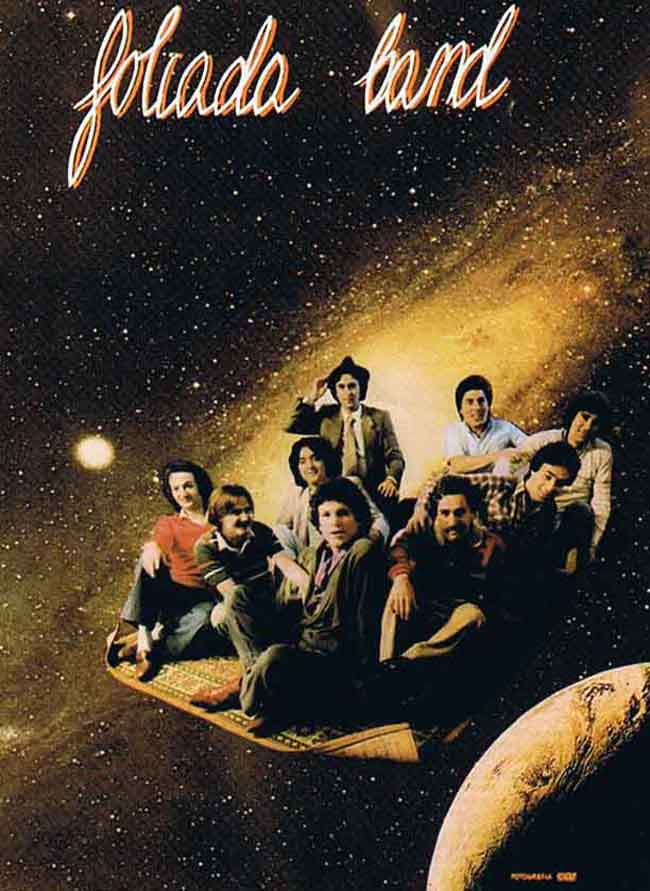

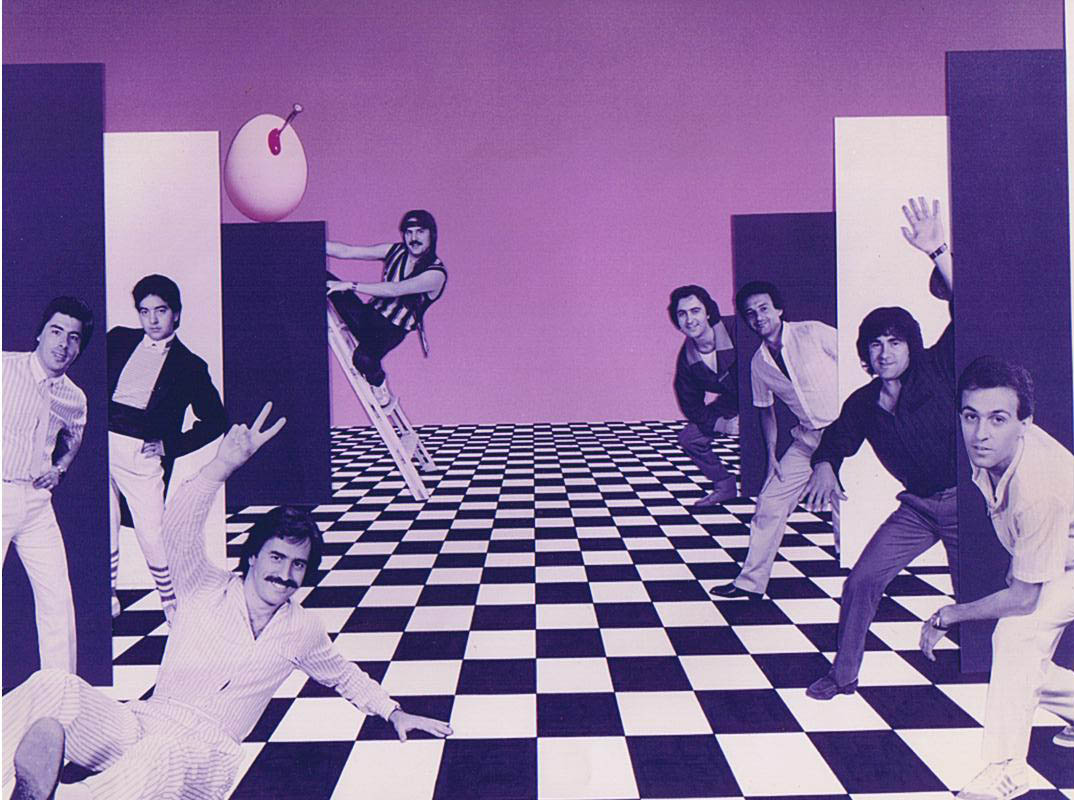
As a trumpet player, he participated in musical groups created by his father. In 1976, during his military service, he passed an audition in Madrid to join the Military Band of A Coruña, where he served for two years. Later, he was invited to join various musical groups as a trumpet player and became a member of the A Coruña Jazz Orchestra, founded in 1985.
As a pianist
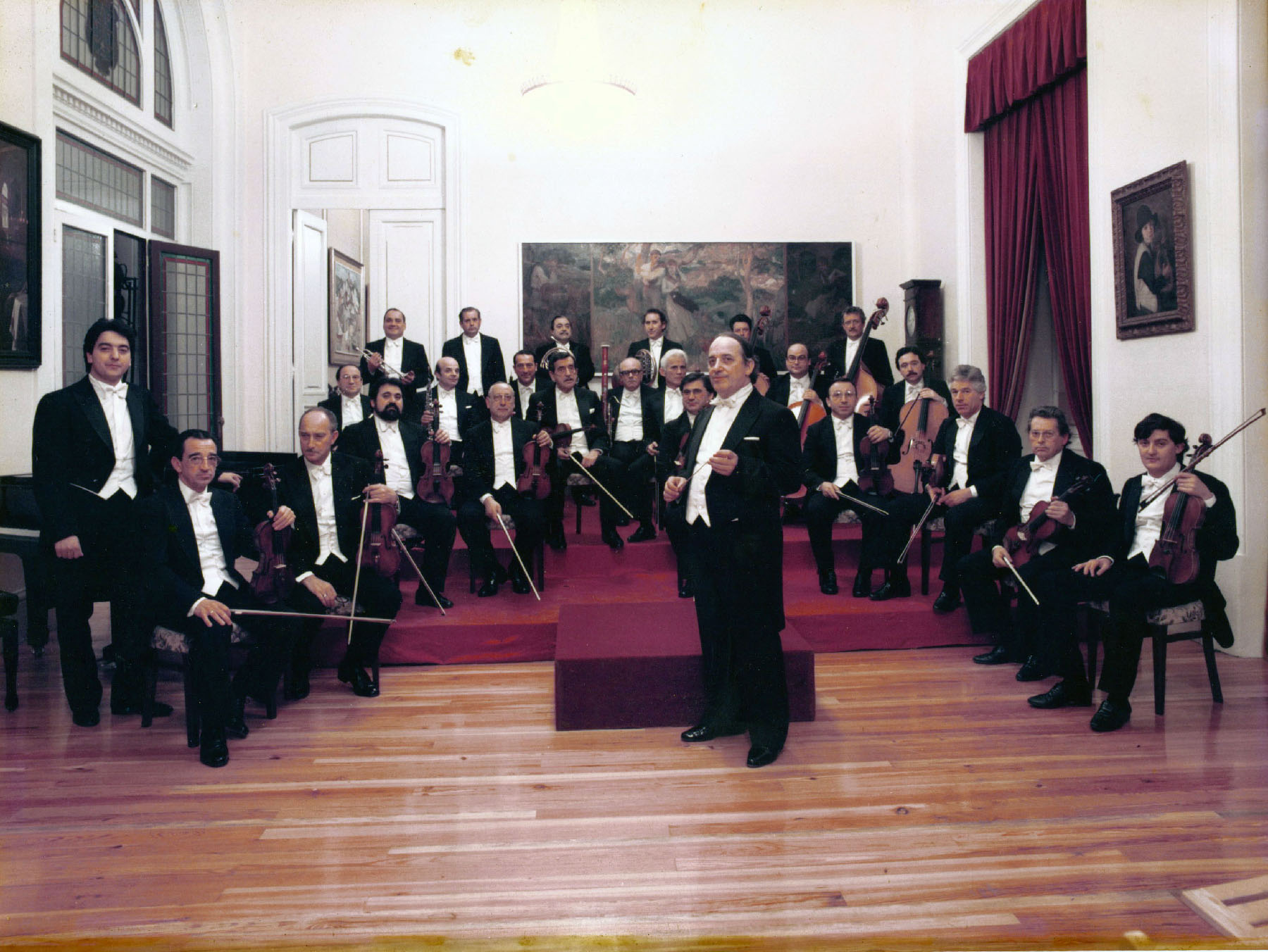


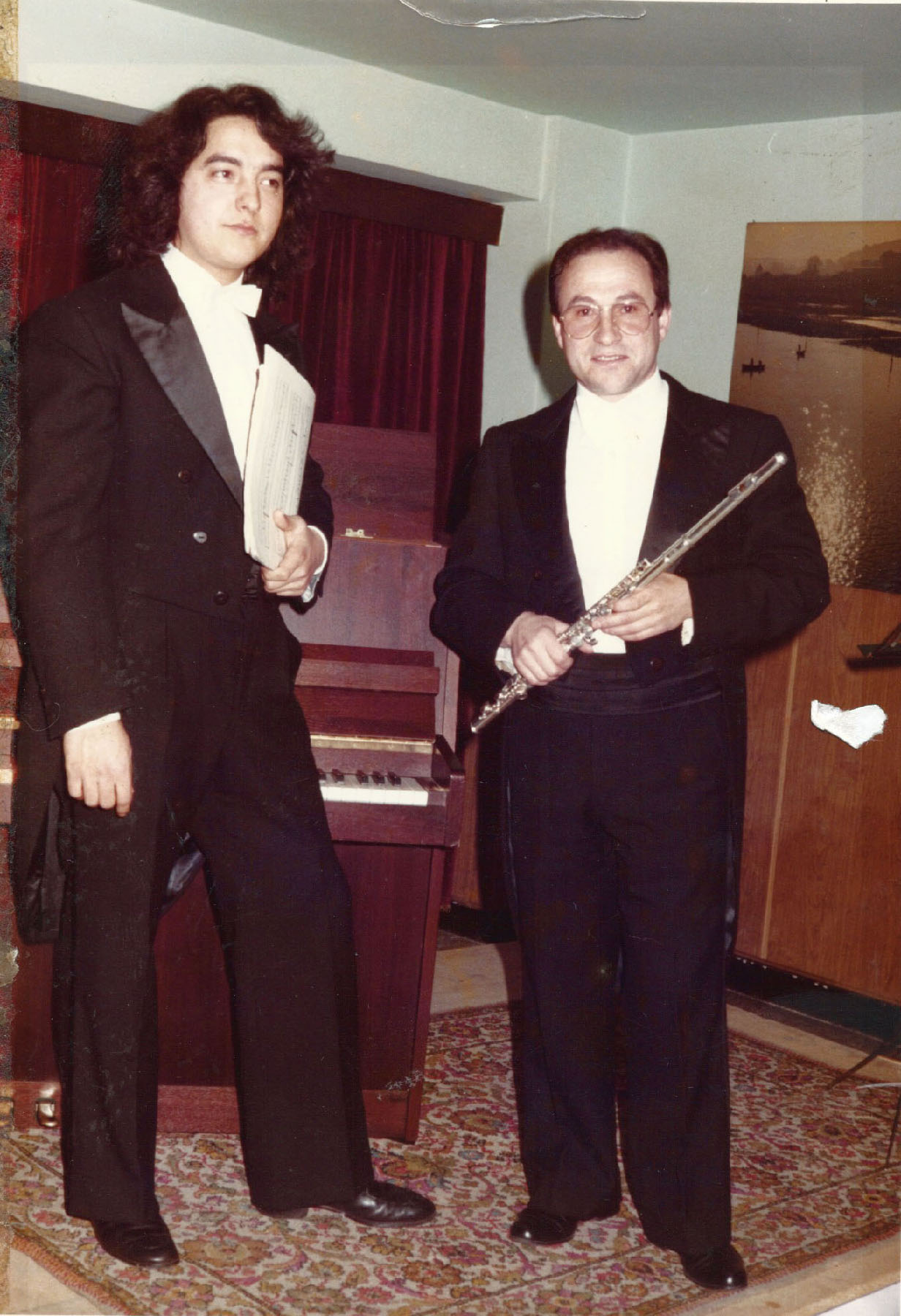


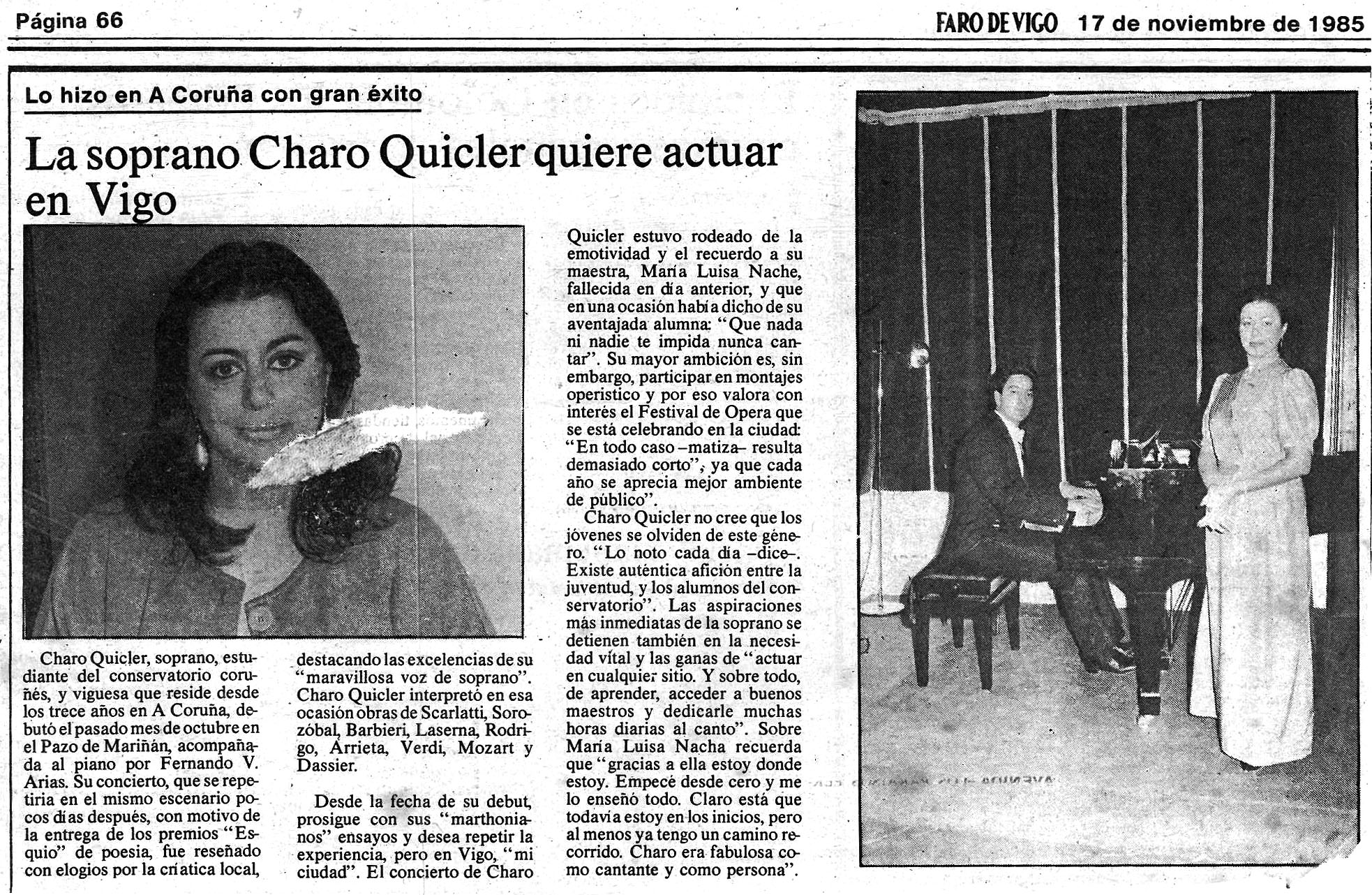
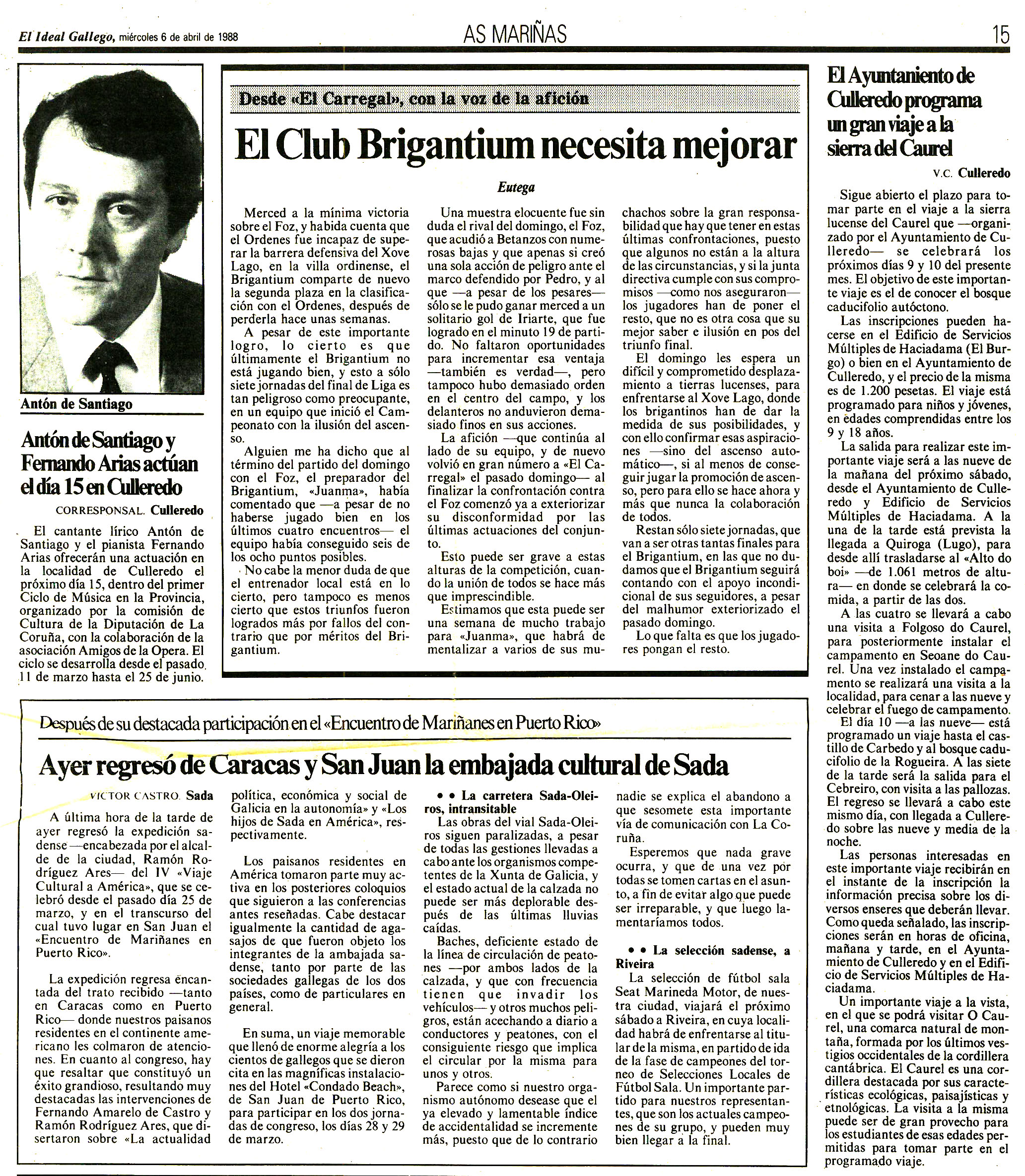
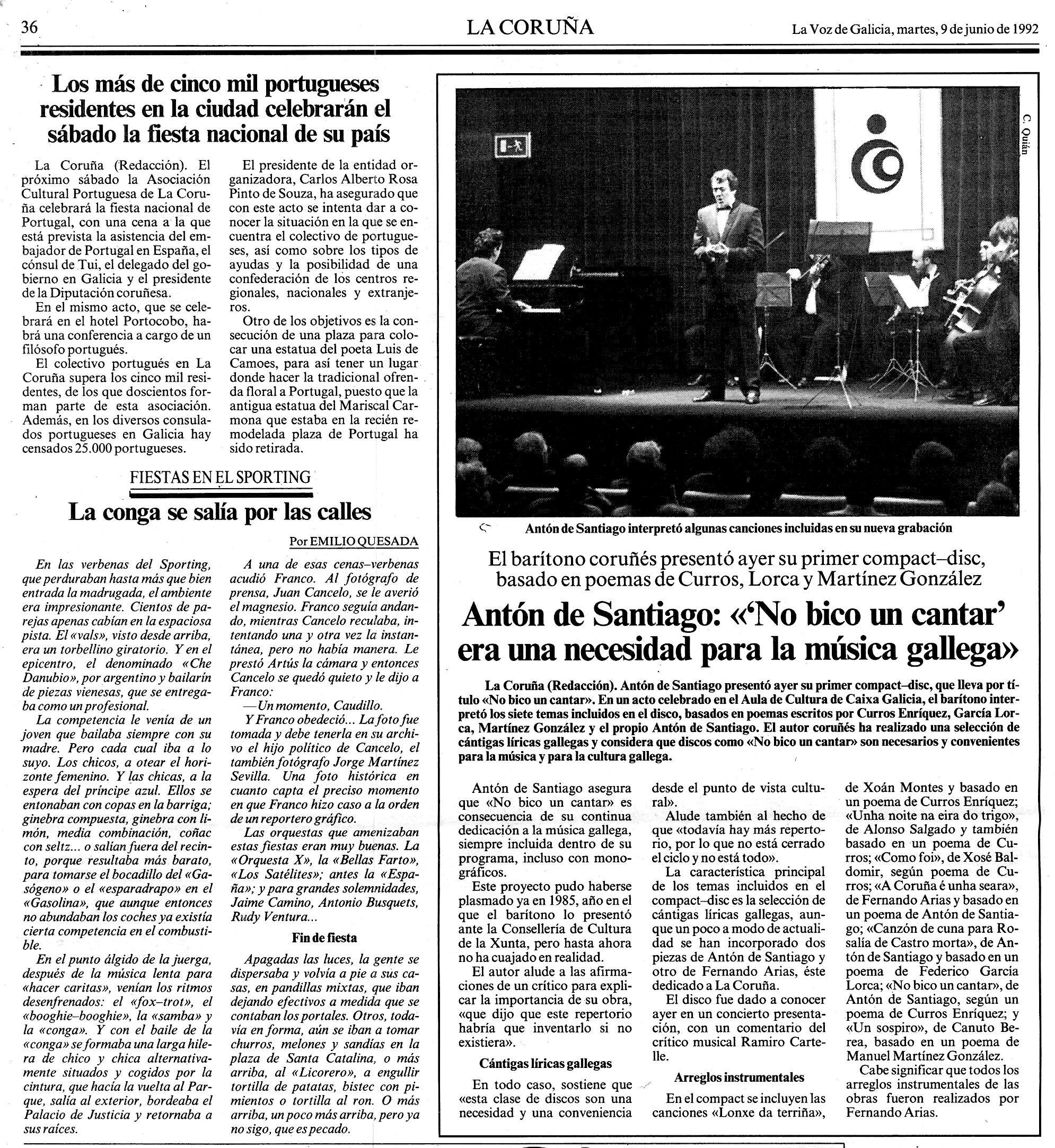
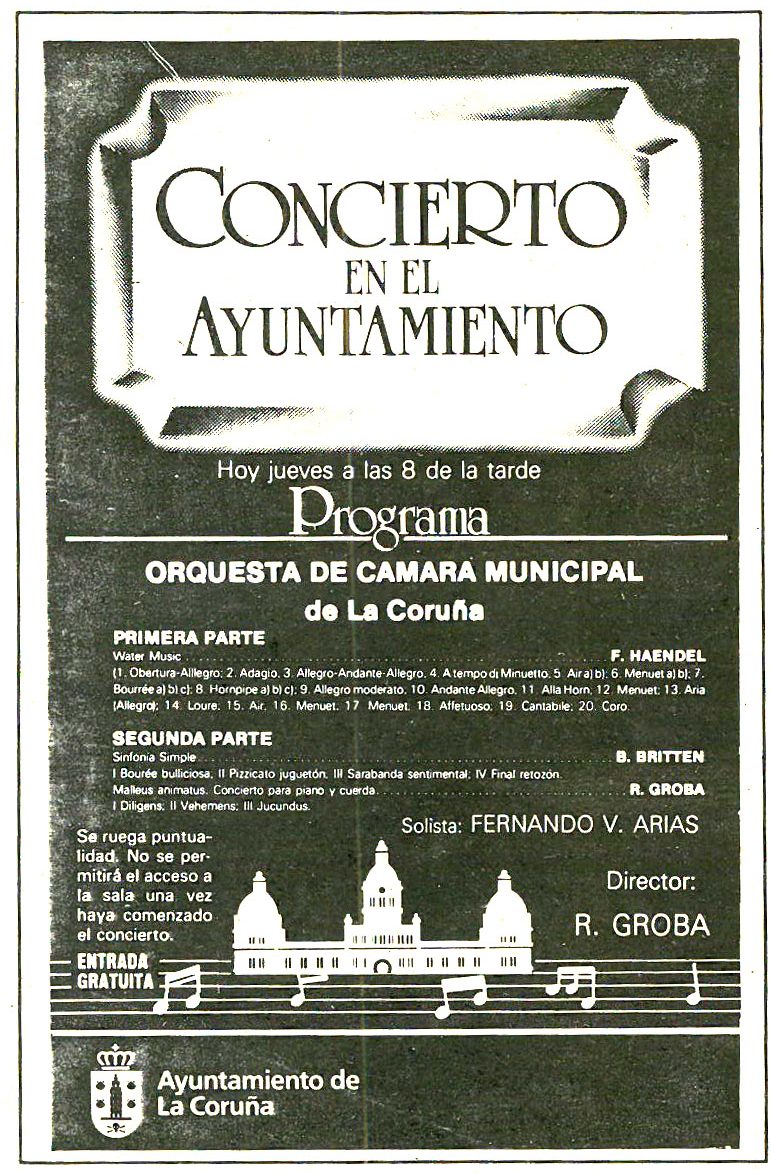
Fernando Vázquez Arias gave piano recitals, accompanied vocal soloists, and collaborated with the Galician singer Ana Kiro in her summer concerts. He also performed as a pianist with the Municipal Chamber Orchestra of A Coruña. During this period, soprano María Luisa Nache offered him the role of repetiteur for her singing classes at the city’s conservatory.
Focused on the study of trumpet, piano, and composition, Fernando established connections with many professionals and students in the vocal world, accompanying them in their classes and concerts organized by various cultural entities, local councils, provincial governments, and the Xunta de Galicia. Throughout his career, he gave hundreds of concerts across Galicia, performing in towns and cities, in salons, auditoriums, and theaters.
In some Galician towns, he stood out for his versatility, performing first as a trumpet player, later as a pianist, band conductor, choir director, and finally as a symphony orchestra conductor.
As a conductor


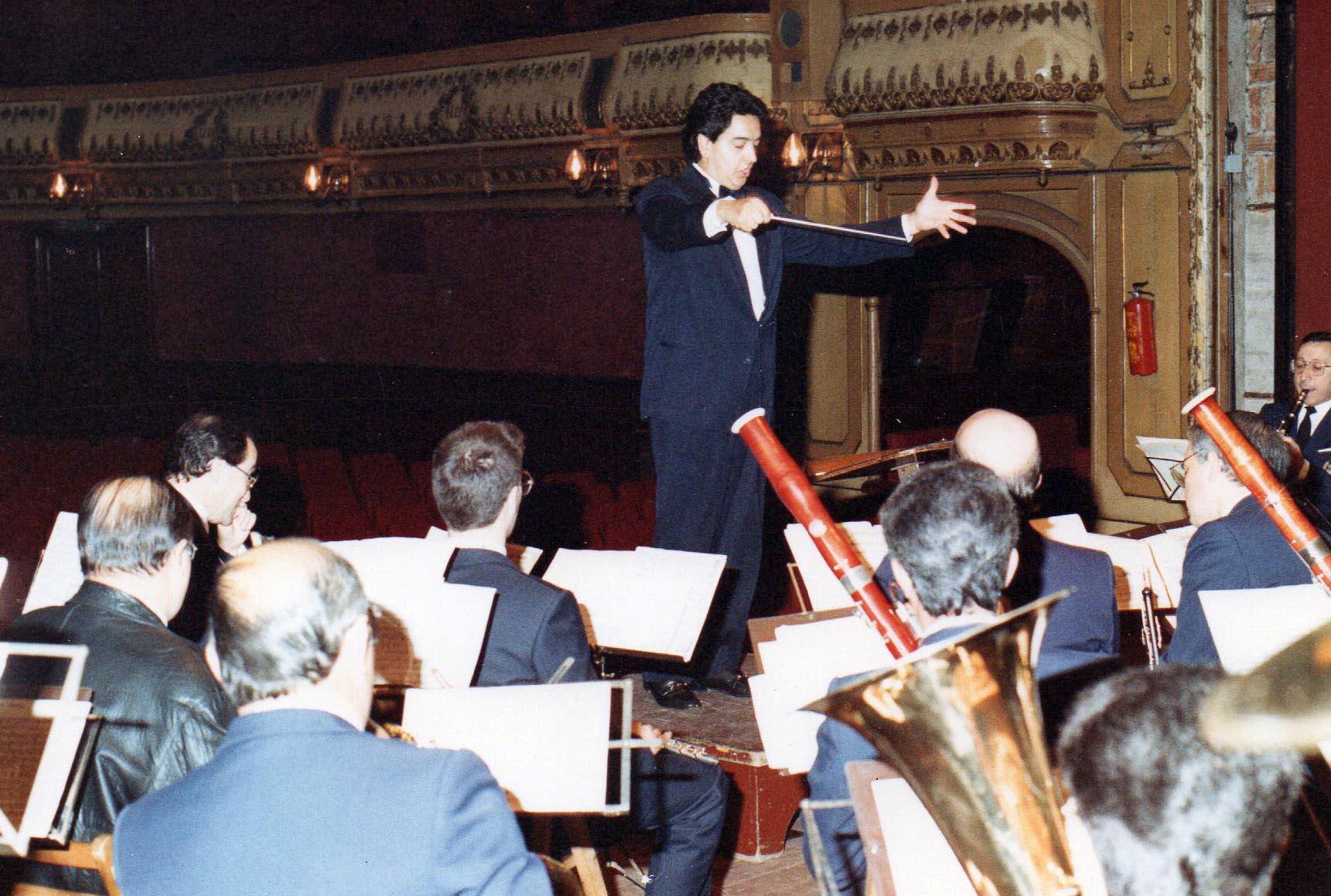
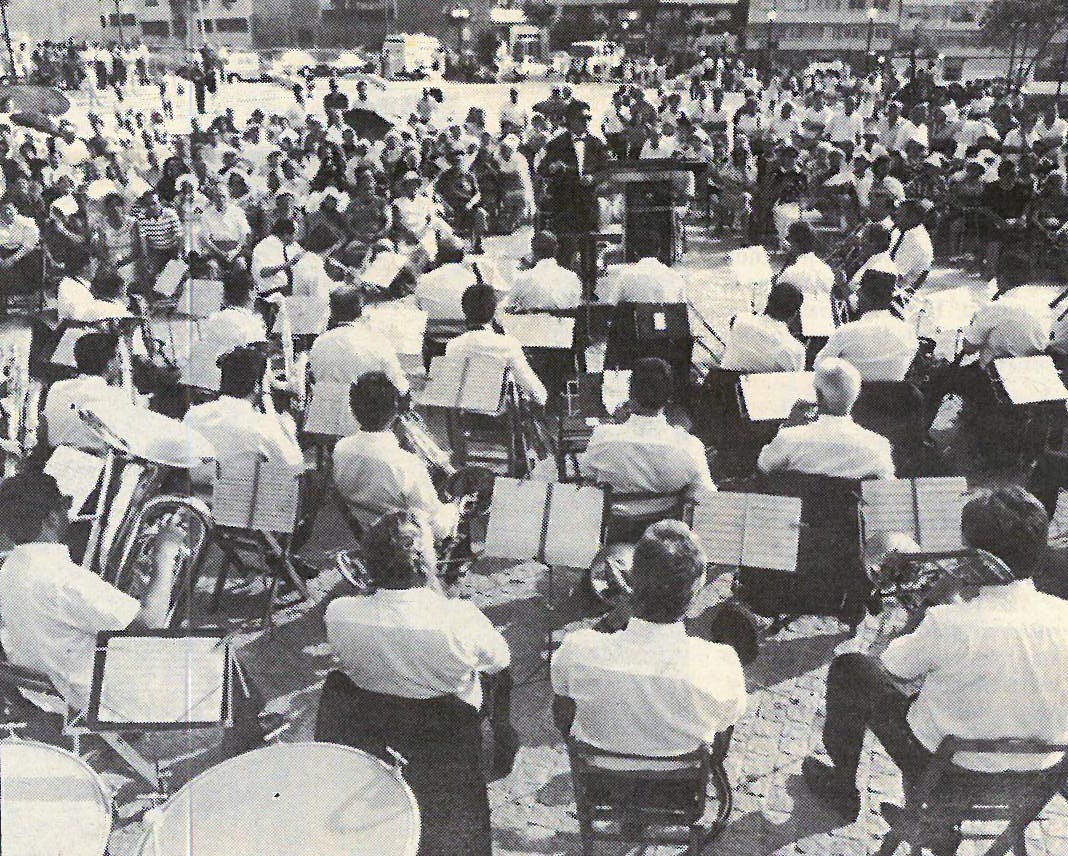
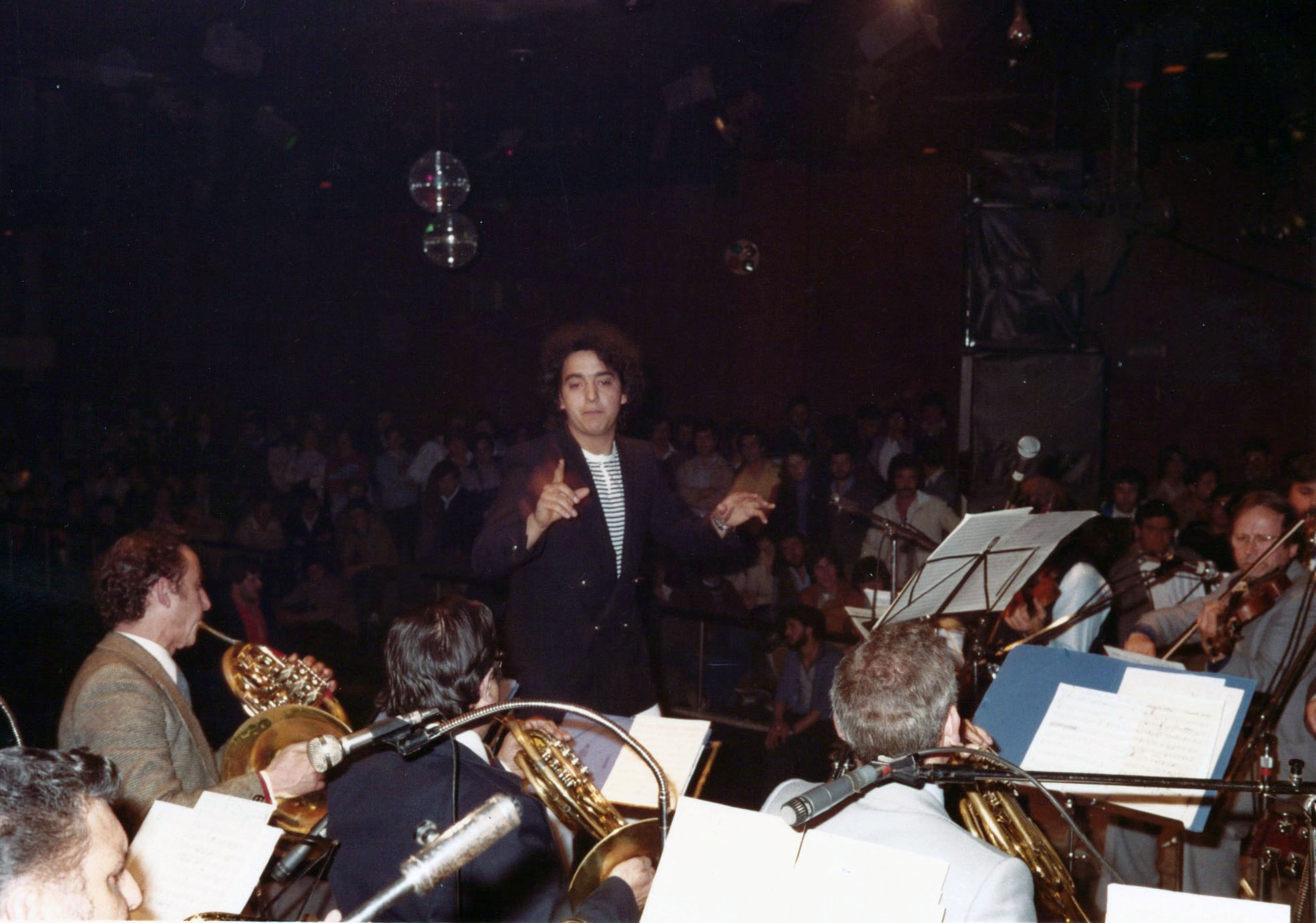
As a conductor, in 1985, he formed his first string ensemble, a Camerata Musical composed of professors and students from the A Coruña conservatory, fulfilling his musical aspirations. The rehearsals were held at the local Philharmonic Association. This project continued until the end of 1986, when he moved to Madrid to begin his conducting studies.